
Warren Words: Grow Vocab
Play Learn LabEducational
4.61.07K Reviews
- Version
- 5.3.1
- Installs
- 500.00K
- Age Rating
- Teen
Screenshots
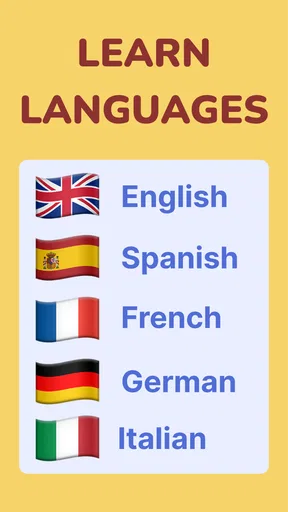
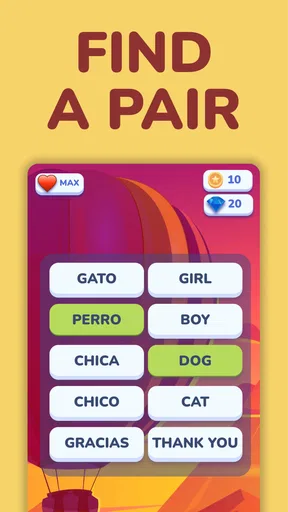
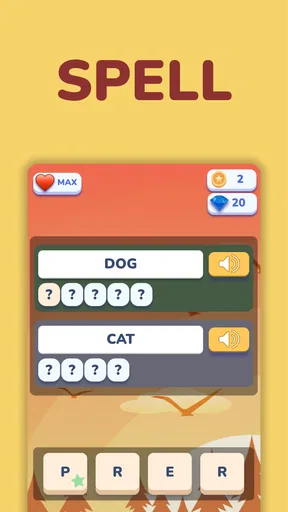
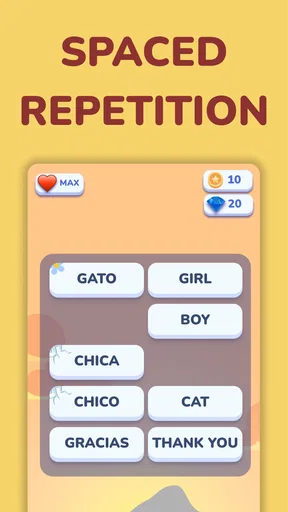
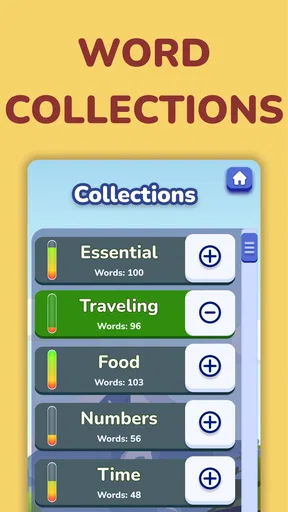
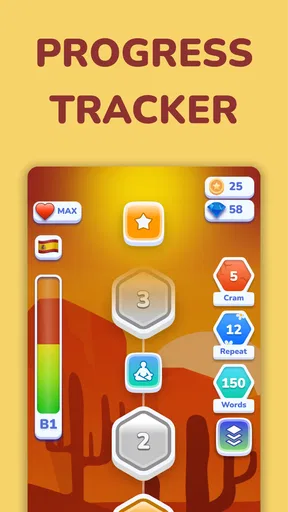
Our Review of Warren Words: Grow Vocab
 Analysis by Appyee
I approached Warren Words: Grow Vocab as a small daily learning game rather than as a complete language course. That distinction matters. Its purpose is to help you meet and review foreign-language words through play, not to replace lessons in grammar, pronunciation, conversation, or writing. After spending time with it, I found its biggest appeal in the low-pressure format: it gives vocabulary practice a more active feel than simply rereading a word list.
The game comes from Play Learn Lab and sits in the educational category. It is free to start, aimed at a Teen audience, and supports devices running Android 8.0 or later. The current release is version 5.3.1. Its public reception is encouraging, with an average score of 4.6 from around 46 thousand ratings, while its install count has passed 500 thousand. Those figures suggest that it has found a real audience, but they do not change the central question: is a game-based vocabulary tool the right kind of practice for you?
What to consider before choosing a vocabulary game
I would begin with your actual learning problem. If you regularly recognize a foreign word but cannot recall its meaning a few minutes later, a short game can be useful because it asks you to retrieve the answer instead of merely looking at it. If your main goal is to hold a conversation, understand fast speech, or build accurate sentences, vocabulary practice alone will leave important gaps.
The best reason to try this game is convenience. You can use a spare moment for word practice without preparing a notebook, arranging a lesson, or opening a large course. That makes it suitable for a commute, a waiting room, or the few minutes before bed. I especially liked the idea of using it as a bridge between more serious study sessions: a quick round can keep a language active in your mind when you do not have the energy for a full lesson.
There is also a question of motivation. Traditional flashcards are efficient, but they can feel repetitive. A game gives the same basic learning target a little more momentum. That does not automatically make every session more effective, yet it can make you more likely to return. In language learning, a modest activity repeated consistently is often more useful than an ambitious course abandoned after a week.
My practical test would be simple: install it if you want a focused vocabulary supplement and enjoy learning through interaction. Skip it if you expect a structured curriculum with detailed explanations, speaking correction, or a clear path from beginner to fluent. The store summary presents it as a fun way to learn foreign-language words, and that is the right expectation to bring to it.
How the game format changes vocabulary practice
Playing with words changes the mental rhythm of studying. Instead of passively scanning a list, you are prompted to make a choice or recall a meaning within the flow of the activity. That extra effort is valuable because recognition and recall are not the same skill. I can often understand a word when I see it, yet struggle to produce it independently; a game-based prompt exposes that difference quickly.
The format is also less intimidating than opening a large language platform with several sections, progress bars, and lesson paths. Warren Words: Grow Vocab feels more focused. That focus is a strength when you already know what you need: more contact with vocabulary. It is less helpful when you need an explanation of why a word changes form, how it sounds in a sentence, or when a particular expression would be natural.
One useful habit is to treat each session as a diagnostic rather than a score chase. When I miss a word, I would not simply move on and hope repetition fixes it. I would pause long enough to say the meaning aloud, connect it to a personal example, and then notice whether the same word causes trouble later. This turns a quick game into a more deliberate learning loop without making the experience feel like homework.
A second tip is to keep a separate record of words that remain difficult. The game can provide the encounter, but a small external note can preserve context: the word, a short sentence, and the situation where you would use it. This is particularly useful for words with several meanings. A vocabulary game is strongest at bringing words back to your attention; your own examples help decide which meaning belongs in long-term memory.
Where Warren Words is most convincing
Its clearest win is accessibility. The game is free to download, so trying it does not require committing money before you know whether the method suits you. There are in-app purchases ranging from $0.99 to $2.49 per item, which is worth remembering if you want to avoid unexpected spending. I would begin with the free experience and decide later whether any optional purchase genuinely improves your routine.
The low entry cost also makes it practical for families or students who want an extra learning activity without immediately subscribing to a full course. Because the content rating is Teen, I would still make sure the app matches the age and learning needs of the person using it rather than assuming that every child will find it appropriate.
Another strength is the narrow purpose. Many language apps combine vocabulary, grammar, listening, stories, social features, and daily challenges. That breadth can be useful, but it can also make a short practice session feel crowded. Here, the vocabulary-game identity is easier to understand. If you already use a textbook or a classroom course, this can occupy a different role instead of asking you to replace everything.
I also see value for learners who dislike conventional flashcards. The game-like presentation can create just enough variety to make repeated exposure more tolerable. That does not mean the learning becomes effortless; you still need to pay attention. The advantage is that the activity may lower the resistance that stops people from opening a flashcard deck in the first place.
A realistic example would be someone preparing for a trip. During the week, they might study transport, food, and directions through a formal source, then use Warren Words during short breaks to reinforce individual words. It would not teach every phrase needed at a train station, but it could make the relevant vocabulary feel more familiar before the trip. The game works best as one layer in that plan, not as the entire plan.
Small workflows that make it more useful
I would use a three-step routine. First, play a short session with full attention rather than tapping through while watching television. Second, identify the words that felt uncertain, including answers you guessed correctly. Third, revisit those words later in a sentence of your own. The third step is the one most people skip, and it is where isolated vocabulary begins to connect with real use.
Another effective approach is to match the game to a current theme. If you are learning about travel, cooking, work, or a hobby elsewhere, pay special attention to words that fit that theme when they appear. A word tied to an immediate goal is easier to remember than a word treated as a disconnected item. If the game presents vocabulary outside your current needs, that is not wasted practice, but it may be less urgent than the language you expect to use soon.
I would also avoid judging progress only by how quickly a round feels. Fast recognition can create confidence, but delayed recall is a better test of whether the word stayed with you. Try returning after a break and notice which terms still come back. If a word disappears, that is useful information rather than failure: it tells you where to spend another minute.
For learners who already keep flashcards, the game can serve as a change of pace. Use flashcards for deliberate scheduling and the game for variety or a quick warm-up. For learners who do not keep any review system, the game may be enough to create a starting habit, but I would add a simple weekly review so that older words do not get crowded out by newer ones.
Where another type of app may fit better
The main trade-off is scope. A dedicated course app is usually a better choice if you want lessons arranged in a sequence, explanations of grammar, listening exercises, or practice that moves from isolated words into dialogues. A flashcard app may be better if you want complete control over the vocabulary, custom example sentences, and a study system built around your own material.
A dictionary is the stronger alternative when your immediate need is accuracy. It can help with definitions, pronunciation, word forms, and usage context in a way a compact game is not designed to do. If you keep encountering one confusing word in articles or conversations, looking it up in a reliable dictionary will usually teach you more than meeting it as a quiz item.
For speaking goals, conversation practice is the obvious complement. No vocabulary game can reproduce the pressure of forming an answer while another person waits. If you are preparing for an interview, an oral exam, or a real conversation, spend time producing language aloud. Warren Words can help supply building blocks, but it should not be mistaken for speaking rehearsal.
There is also a difference between learning words and learning phrases. A game centered on vocabulary may help you remember individual meanings, while natural communication often depends on combinations of words. If your priority is sounding idiomatic, choose materials that show expressions in context and let you hear or produce them. I would keep this game only if its short practice sessions support that broader work rather than replacing it.
People who need a strict, measurable study plan may find the game too light on its own. Conversely, people who become discouraged by formal lessons may benefit from starting here and adding structure gradually. The right choice depends less on which category is universally superior and more on whether you need motivation, control, explanation, or real-time communication practice.
What the free model means for your routine
Because the game is free, the financial risk of testing it is low. The more important cost is attention. Every learning app competes with other tools, and a game can become a distraction if you spend time chasing activity without remembering the words. I would set a modest purpose for each visit: reinforce a topic, review difficult terms, or create a short daily habit.
The available purchases, priced from $0.99 to $2.49 per item, make it sensible to check what you are receiving before paying. I would not buy anything simply because a progress session feels incomplete. First establish whether the free version fits your learning style and whether you return to it naturally. If you rarely open it, an optional purchase will not solve the underlying problem.
There is also a switching cost when moving from a game to a more traditional tool. A course may require more time and patience, while a flashcard system may require you to create or organize material. That extra effort can produce better control, but it can also make study feel like administration. Starting with this game may be worthwhile if it helps you build consistency before adopting a more demanding system.
On the other hand, switching away may be the correct decision if you keep guessing words without understanding them in context. Do not stay with an app merely because you have already spent time on it. The useful question is whether it improves your ability to recognize and use vocabulary outside the game. If the answer remains no after a fair trial, a dictionary, course, or conversation-focused tool may serve you better.
Who should try it first
I would recommend it to casual learners, students who want extra vocabulary exposure, travelers preparing basic word knowledge, and experienced learners who need a lighter activity between serious sessions. It is particularly appealing if you enjoy game-like practice and tend to abandon static flashcards. The free starting point makes experimentation easy, and the Android compatibility beginning with version 8.0 covers a broad range of devices.
I would be more cautious for complete beginners who need pronunciation guidance and a carefully ordered foundation. They may enjoy the game, but they should pair it with lessons that explain sounds, sentence structure, and everyday phrases. I would also hesitate to recommend it as the main tool for an advanced learner preparing for professional communication, because advanced progress depends heavily on nuance, collocations, listening, and precise production.
For parents or teachers, I would present it as an optional activity rather than an automatic replacement for instruction. The Teen content rating should be part of that decision. A learner may enjoy the competitive or playful side, but enjoyment alone does not guarantee that the selected vocabulary matches a school syllabus or personal goal.
My recommendation after weighing the trade-offs
Warren Words: Grow Vocab is worth trying when you want vocabulary practice that feels lighter than a conventional study session. I like its focused identity, free entry point, and potential to make repeated word exposure easier to maintain. Its strong public rating and substantial install base support the impression that many users find the approach appealing, although your own learning style matters more than popularity.
My recommendation is to use it as a supplement with a clear job. Let it provide short retrieval practice, then reinforce difficult words with sentences, audio, reading, or conversation elsewhere. Do not expect it to teach a complete language by itself. The game is most effective when it solves one specific problem—remembering vocabulary—while another resource handles the parts it does not cover.
If you want a gentle way to restart language learning, I would choose it before paying for a larger platform. Give it enough time to become part of a routine, watch whether words return to you outside the app, and consider purchases only after you understand what you actually need. If your priority is grammar, personalized correction, pronunciation, or fluent conversation, select a more specialized alternative instead.
In short, I see this as a practical vocabulary companion rather than a full course. Used with realistic expectations, it can turn spare minutes into useful practice and make word review less dull. Used as the only resource, it will leave important parts of language learning untouched. That balance is the key to deciding whether it belongs on your phone.
Verdict
Strengths of Warren Words: Grow Vocab
- Short sessions make it easy to fit into a busy routine.
- Word challenges gradually introduce more advanced vocabulary.
- Clean visuals keep the focus on solving each puzzle.
- Useful for learners who enjoy casual, game-based practice.
- Progress tracking can encourage consistent daily play.
Limitations of Warren Words: Grow Vocab
- Some levels may feel repetitive after extended play.
- The difficulty curve may not suit advanced vocabulary experts.
- Hints or extra help may be limited without in-app purchases.
- A stable internet connection may be needed for some features.
- Players seeking competitive multiplayer may find it too solitary.
Similar Picks in This Category
View All
Little Panda Policeman
BabyBus4.0

Monster Trucks Game for Kids 2
Raz Games4.1

Little Panda's Chinese Recipes
BabyBus4.4

Little Panda's Restaurant
BabyBus4.4

Little Panda's Ice Cream Games
BabyBus4.3

Baby Panda Care
BabyBus3.8
Frequently Asked Questions
What is Warren Words: Grow Vocab, and how does the game work?
Warren Words: Grow Vocab is a word puzzle game designed to help players expand their vocabulary while completing relaxing, progressively challenging levels. You generally form words from a group of available letters, solve the puzzle, and advance through different stages. The game combines casual entertainment with vocabulary practice, making it suitable for short sessions or longer play.
Is Warren Words: Grow Vocab suitable for beginners and younger players?
The game is accessible for beginners because its early puzzles introduce the basic mechanics gradually and do not require advanced word-game experience. However, difficulty can increase as you progress, with less obvious words and more demanding letter combinations. Parents should still check the app’s age rating, advertising, and privacy information before allowing younger children to use it.
Can I play Warren Words: Grow Vocab without an internet connection?
Some parts of Warren Words: Grow Vocab may work offline, particularly previously loaded or standard puzzle content, but availability can depend on the version installed and the device being used. An internet connection may still be required for advertisements, rewards, updates, synchronization, or other online features. It is best to open the game online first and test offline access yourself.
Does Warren Words: Grow Vocab contain ads or in-app purchases?
Like many free-to-download mobile puzzle games, Warren Words: Grow Vocab may include advertising and optional in-app purchases. Ads can potentially appear between levels or when claiming bonuses, while purchases may offer hints, remove advertising, or provide other game resources. Review the store listing and payment settings carefully, especially if children use the device.
What should I know about privacy and app permissions before downloading?
Before installing Warren Words: Grow Vocab, review its current Google Play or App Store privacy details because data practices and permissions can change with updates. Check whether the app collects usage, device, advertising, or diagnostic information and whether it shares data with service providers. Download it only from an official store and avoid granting permissions that seem unrelated to gameplay.
Play our best games!


